
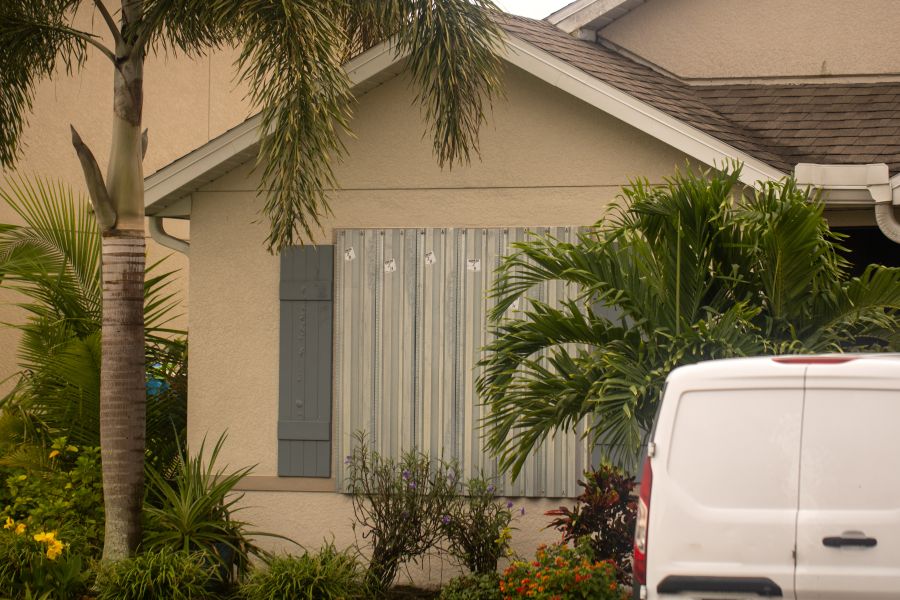
Florida is known for its abundant sunshine, beautiful weather, and year-round outdoor activities. However, part of owning a home in the Sunshine State is understanding the importance of hurricane preparedness and being ready for tropical storms, heavy rain, strong winds, and possible power outages.
Knowing how to prepare for a hurricane in Florida can help you protect your property and make safer decisions if a storm threatens your area. The best time to get ready is long before a hurricane appears in the forecast. Early preparation gives you time to inspect your home, gather supplies, review your insurance coverage, and create an evacuation plan without the pressure of crowded stores or changing weather conditions.
When Is Florida Hurricane Season?
The Atlantic hurricane season officially runs from June 1 through November 30. Tropical systems can occasionally form outside that period, so Florida homeowners should maintain a basic level of readiness throughout the year.
Ideally, major hurricane preparation should be completed before June. Inspecting your roof, testing storm protection, and assembling supplies early can save valuable time if a storm develops later in the season.
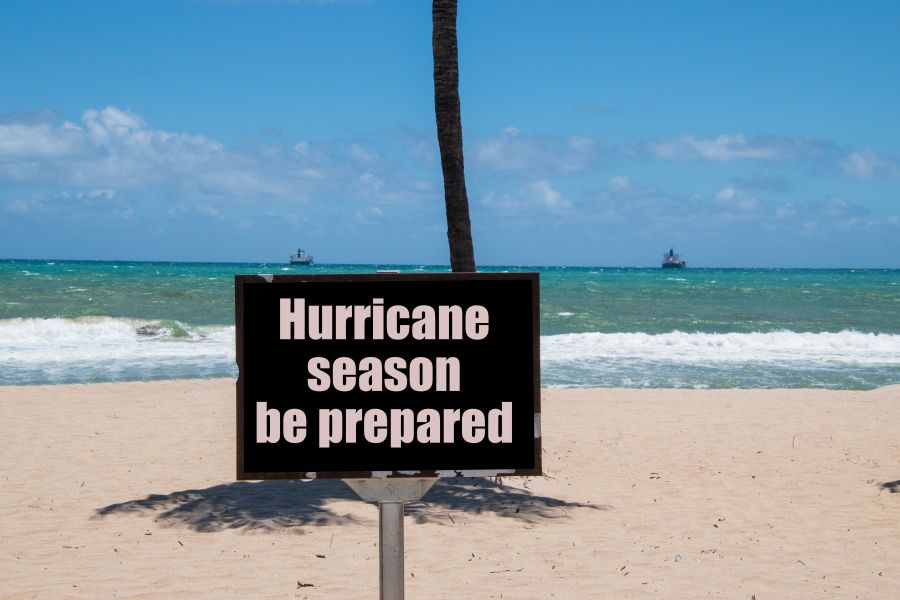
How to Prepare Your Home for a Hurricane Before the Season Begins
Preparing your home for a hurricane starts with preventive maintenance. A careful inspection can reveal small problems that could become more serious during heavy rain or high winds.
Inspect Your Roof, Gutters, and Attic
Your roof is one of your home’s first lines of defense against severe weather. Look for missing or loose shingles, damaged flashing, deteriorated seals, and other visible signs of wear. Inside the attic, check for stains, damp insulation, or other evidence of a leak.
Gutters and downspouts should be cleared of leaves and debris so rainwater can move away from the house. Confirm that downspouts direct water away from the foundation rather than allowing it to collect nearby.
Roof work can be dangerous, particularly if a surface is wet or steep. Hire a qualified professional if an inspection or repair cannot be completed safely. You can also review these seasonal home maintenance tips for more ways to care for your home during Florida’s summer weather.
Check Windows, Exterior Doors, and the Garage Door
Inspect the seals, frames, hinges, and locks around windows and exterior doors. If your home has hurricane shutters, make sure they operate correctly and that all necessary hardware is easy to locate. Homeowners who use storm panels should label them and store the required fasteners together.
Do not rely on tape to protect windows. It does not prevent glass from breaking when struck by windborne debris. Use approved shutters, panels, impact-rated products, or another protection method recommended by a qualified professional.
The garage door deserves special attention because it is one of the largest openings in a home. Check it for visible damage and confirm that any required reinforcement is available. Deltona homes include hurricane-resistant garage doors that meet or exceed applicable industry standards, but every homeowner should still inspect the door and follow the manufacturer’s care instructions.
Trim Trees and Prepare the Yard
Dead limbs, weak branches, and loose outdoor belongings can become hazards during a storm. Trim trees as needed and remove yard waste well before severe weather arrives. Professional assistance may be necessary for large trees or branches near power lines.
Make a list of objects that will need to be moved indoors if a hurricane approaches. Patio furniture, grills, potted plants, toys, tools, and lawn decorations should not be left unsecured. Keep nearby drainage areas clear so leaves and debris do not contribute to standing water.
Learn About Your Home’s Construction
The materials and methods used to build a home can affect its durability and maintenance needs. Concrete block construction, architectural shingles, reinforced exterior openings, and proper roof connections are among the features Florida buyers may consider when comparing homes.
No building material can eliminate the risks associated with a hurricane. Still, learning about your home’s construction can help you understand its features and prepare appropriately.
Create a Florida Hurricane Prep Kit
A Florida hurricane prep kit should be assembled before stores become crowded and supplies are limited. Review the kit at the beginning of each hurricane season and replace expired food, medication, and batteries.
Food, Water, and Household Essentials
Set aside drinking water and nonperishable food for each person in the household. Choose foods that require little or no cooking, and include a manual can opener when packing canned items. Account for the needs of infants, older adults, and anyone with dietary restrictions.
Pets need their own hurricane supplies as well. Pack food, water, medication, carriers, leashes, waste bags, vaccination records, and a recent photo of each animal.
Safety and Communication Supplies
Your Florida hurricane prep list should include:
- Flashlights and extra batteries
- A battery-powered or hand-crank weather radio
- Portable phone chargers
- A first-aid kit
- A fire extinguisher
- A whistle
- Basic tools and work gloves
- Personal hygiene and sanitation supplies
- Cash in small denominations
Test flashlights, radios, smoke alarms, and carbon monoxide detectors before the season begins. Keep devices charged whenever a storm is approaching.
Medications and Important Documents
Place identification, insurance information, emergency contacts, medical details, and other important records in a waterproof container. Create secure digital copies in case the originals are damaged or inaccessible.
It is also smart to create a home inventory. Photograph or record each room, including valuable belongings and appliance serial numbers. Store that inventory somewhere you can access away from home.
Ask your healthcare provider or pharmacist how to prepare necessary prescriptions and medical equipment for an emergency. Do not wait until the last minute to address medications that require refrigeration or electricity.
Make a Family Hurricane and Evacuation Plan
Home preparation is only one part of hurricane readiness. Every household should know where to go, how to communicate, and what to take if local officials issue an evacuation order.
Look up your evacuation zone and identify more than one route out of the area. Choose a destination in advance, such as a hotel, shelter, or the home of a friend or relative. Confirm which shelters can accommodate pets and what documentation they require.
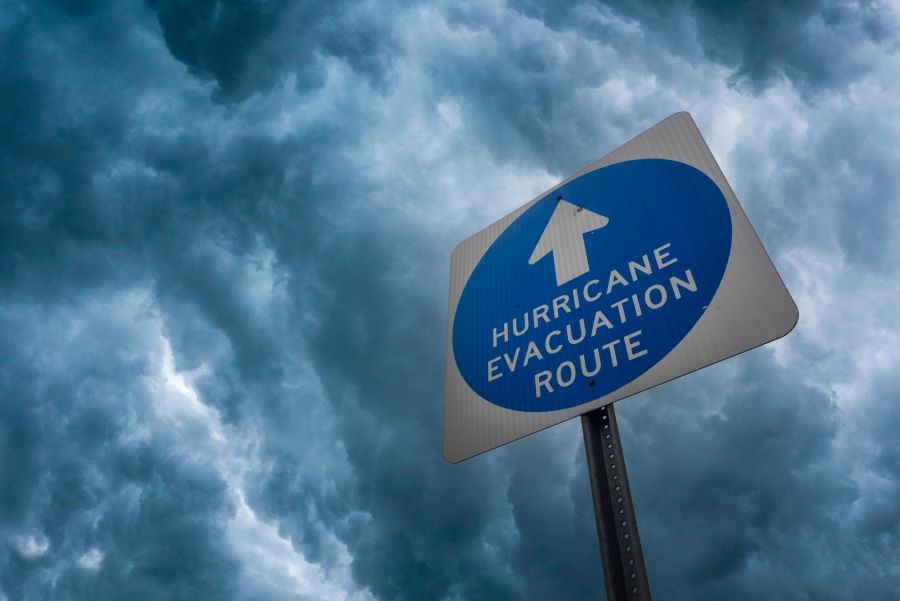
Select an out-of-area contact who can receive updates from household members. Establish a meeting place in case your family is separated, and include plans for children, older relatives, people with disabilities, and anyone who depends on medical equipment.
Keep your vehicle maintained and fill the gas tank when a storm threatens. Most importantly, follow evacuation instructions from local authorities. Never remain in a home simply because it has newer materials or storm-resistant features.
For forecasts, safety information, and planning resources, consult NOAA’s official hurricane preparedness guidance.
What to Do When a Hurricane Is Approaching
Once a storm may affect your area, shift your attention to the tasks that must be completed before conditions deteriorate. Do not attempt outdoor preparation after winds or heavy rain have made the work unsafe.
Protect the Outside of Your Home
Install approved shutters or storm panels according to their instructions. Bring loose outdoor items inside and secure anything that cannot be moved. Clear gutters and nearby drains one final time if it is safe to do so.
Park vehicles in a garage or away from trees and other objects that could fall. Avoid parking in low-lying locations that may flood.
Prepare the Inside of Your Home
Charge phones, radios, portable batteries, and necessary medical devices. Set the refrigerator and freezer to colder settings and avoid opening them unnecessarily if the power goes out.
Move valuable belongings and documents away from windows and areas vulnerable to water. Close interior doors and choose a small interior room without windows as your household’s safe area if you are sheltering at home. Keep shoes, flashlights, medications, and emergency supplies within reach.
Continue monitoring official alerts. If authorities order an evacuation, leave promptly and take your essential supplies with you.
Practice Generator and Power-Outage Safety
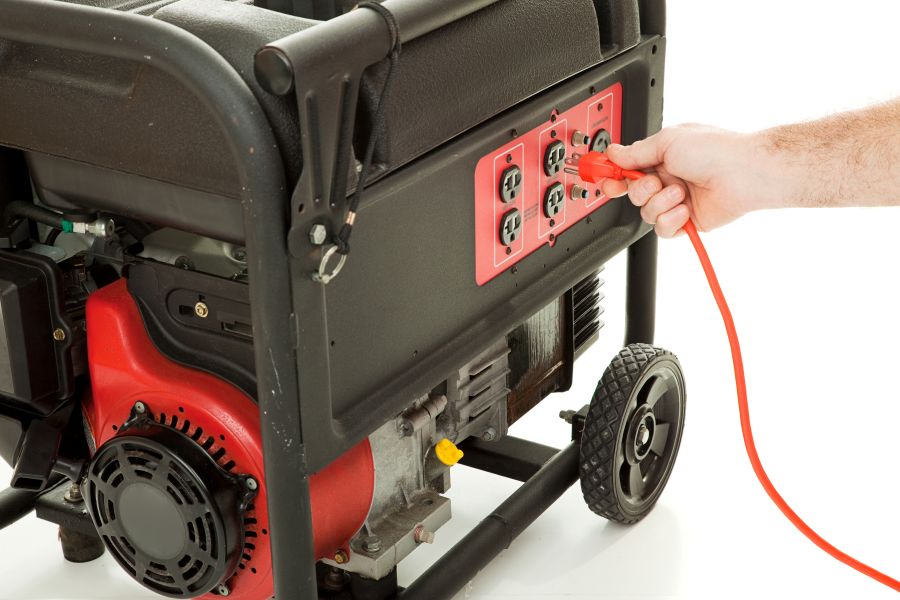
Generators can provide useful backup power, but improper operation can cause carbon monoxide poisoning, fire, or electrical injuries. Never run a portable generator inside a home, garage, or other enclosed area. Place it outdoors, safely away from doors, windows, and vents, and follow all manufacturer instructions.
Do not connect a portable generator directly to household wiring unless an appropriate transfer system has been installed by a qualified professional. Use only cords and equipment rated for the intended application, and allow the generator to cool before adding fuel.
During an outage, keep refrigerator and freezer doors closed as much as possible. Discard food when its safety is uncertain, and follow guidance from local officials regarding water quality or boil-water notices.
What to Do After a Hurricane
Storm hazards do not end when the wind stops. Wait for official confirmation that conditions are safe before going outside or returning to an evacuated area.
Stay away from downed power lines, floodwater, damaged trees, and unstable structures. Never drive through a flooded roadway. If you smell gas, see major structural damage, or suspect an electrical hazard, leave the area and contact the appropriate emergency service or utility.
Photograph property damage before cleaning or making repairs. Contact your insurance provider promptly and keep records of conversations, claims, receipts, and temporary repairs. Only make repairs necessary to prevent additional damage until the property has been properly evaluated.
Be cautious when hiring contractors after a storm. Verify licenses and insurance, obtain written estimates, and avoid making rushed decisions under pressure.
How Quality Construction Can Offer Added Peace of Mind
Hurricane preparation matters for every Florida homeowner, regardless of a home’s age or construction. Prospective buyers can also consider durability, energy efficiency, exterior openings, roofing materials, and warranty protection when evaluating a new home.
Homes by Deltona are built with features selected for Florida living. These include architectural shingles, 3,000 PSI concrete with fiber, insulated Low-E windows, pressure-treated lumber at masonry connections, and hurricane-resistant garage doors that meet or exceed industry standards. Learn more about Deltona’s approach to quality new-home construction in Florida.
Storm-resistant features can support a home’s durability, but they do not replace routine maintenance, emergency supplies, evacuation planning, or instructions from public safety officials.
Prepare Your Florida Home Before the Next Storm
Learning how to prepare your home for a hurricane gives you time to address maintenance concerns, gather supplies, and make a plan before an emergency develops. Start early, review your preparations each year, and adjust your plan as your household’s needs change.
A safer hurricane season begins with three priorities: care for your property, prepare the people and pets in your household, and follow official instructions when a storm threatens.
Looking for a Florida home built with quality, durability, and everyday comfort in mind? Explore Homes by Deltona and discover new-construction communities throughout the Sunshine State.
Recent Comments